

Harnessing Sound for Effective Healing
In the quiet moments of our lives, sound often becomes a gentle companion, weaving through our thoughts and emotions. It carries a power that transcends mere noise, reaching deep into our being to soothe, restore, and transform. I have found that embracing sound as a healing tool opens a path to holistic well-being, inviting us to reconnect with ourselves and the world around us in profound ways.
Exploring Sound as Healing Tool: Ancient Roots and Modern Practices
Sound has been a source of healing for millennia. From the rhythmic drumming of indigenous tribes to the resonant chants of monks, cultures worldwide have recognised its ability to influence the mind, body, and spirit. Today, this ancient wisdom blends with modern science, creating a rich tapestry of sound therapies that support personal transformation.
The essence of sound healing lies in vibration. Every cell in our body responds to frequencies, and when these vibrations align harmoniously, they promote balance and health. Instruments like singing bowls, tuning forks, and gongs produce specific tones that can calm the nervous system, reduce stress, and enhance mental clarity.
In practical terms, engaging with sound as a healing tool can be as simple as listening to carefully crafted music or participating in guided sound baths. These experiences invite us to surrender to the waves of sound, allowing tension to melt away and inner peace to emerge.
Try a daily practice: Spend 10 minutes each morning listening to calming soundscapes.
Create a sacred space: Use candles and cushions to enhance your sound healing sessions.
Explore different instruments: Notice how each sound affects your mood and energy.

The Science Behind Sound and Its Healing Effects
Modern research increasingly supports what ancient traditions have long known - sound influences our physiological and psychological states. Studies show that certain frequencies can lower heart rate, reduce cortisol levels, and stimulate the production of endorphins, the body’s natural feel-good chemicals.
Brainwave entrainment is one fascinating aspect of sound healing. When exposed to rhythmic sounds, our brainwaves synchronize with the frequency, shifting us into states of relaxation or heightened awareness. This process can improve sleep, enhance creativity, and even alleviate symptoms of anxiety and depression.
Moreover, sound vibrations can promote cellular regeneration and improve circulation. This holistic effect makes sound therapy a valuable complement to conventional treatments, offering a gentle yet powerful means to support healing.
To experience these benefits, consider:
Attending a professional sound healing session.
Using apps or recordings designed for brainwave entrainment.
Incorporating natural sounds like ocean waves or bird songs into your environment.

What does the Bible say about sound healing?
The Bible offers profound insights into the power of sound and music as instruments of healing and spiritual renewal. Throughout its pages, sound is depicted as a divine force that can uplift the soul and restore harmony.
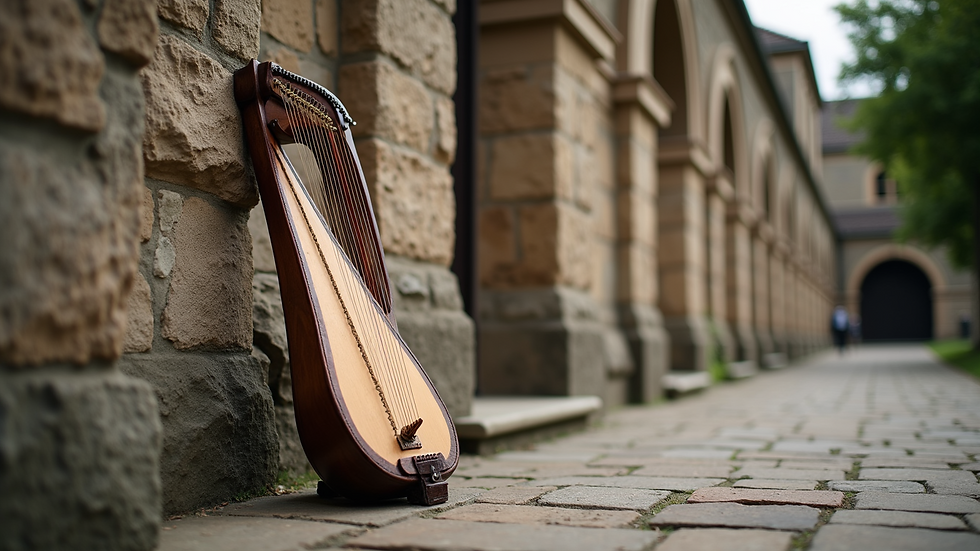
For example, in the story of King Saul and David, the soothing music played on the harp brings relief to Saul’s troubled spirit. This narrative illustrates how sound can calm emotional distress and foster peace within.
Psalms, often sung or chanted, are another testament to the healing power of sound. They serve as prayers and meditations that connect us to a higher source of comfort and strength. The rhythmic and melodic qualities of these sacred texts invite a meditative state, encouraging reflection and emotional release.
In this light, sound healing is not only a physical practice but also a spiritual journey. It invites us to listen deeply - to the world, to others, and to the divine presence within ourselves.
Practical Ways to Incorporate Sound Healing into Daily Life
Integrating sound healing into your routine need not be complicated. It can be a gentle, nurturing practice that fits seamlessly into your day. Here are some accessible ways to begin:
Morning sound ritual: Start your day with a few minutes of chanting or humming. This simple act can set a positive tone and clear mental fog.
Sound meditation: Use guided sound meditations that combine breathwork with soothing tones to deepen relaxation.
Nature’s soundtrack: Spend time outdoors listening mindfully to natural sounds like rustling leaves, flowing water, or birdsong.
Personal sound tools: Experiment with handheld instruments such as tuning forks or small drums to create your own healing vibrations.
Evening wind-down: Play gentle music or nature sounds before bed to ease the transition into restful sleep.
By weaving these practices into your life, you cultivate a sanctuary of calm and resilience. The key is consistency and openness to the subtle shifts that sound can inspire.
Embracing Healing with Sound for Holistic Well-being
In my journey, I have come to appreciate how healing with sound offers a unique pathway to transformation. It invites us to slow down, listen deeply, and reconnect with the rhythms of life. Whether through the resonance of a singing bowl or the gentle hum of a voice, sound becomes a bridge to inner harmony.
Salacia Music, based in São Miguel, Azores, embodies this vision by providing holistic music and sound therapies that blend ancient wisdom with modern techniques. Their offerings create spaces where healing unfolds naturally, supporting well-being on every level.
As you explore sound as a healing tool, remember that it is a personal and evolving experience. Allow yourself to be curious, patient, and gentle. The vibrations you invite into your life can awaken a profound sense of peace and renewal, guiding you toward a more balanced and vibrant existence.
May your journey with sound be one of discovery, healing, and transformation.


Comments